
What is the red algae growing on my walls?
The red-orange growth on many Irish walls is Trentepohlia, a single-celled alga that lives in the air rather than in soil or water. Its cells contain a carotenoid pigment that gives colonies their rust-red to orange colour, which is why the growth is often mistaken for a stain rather than a living organism.
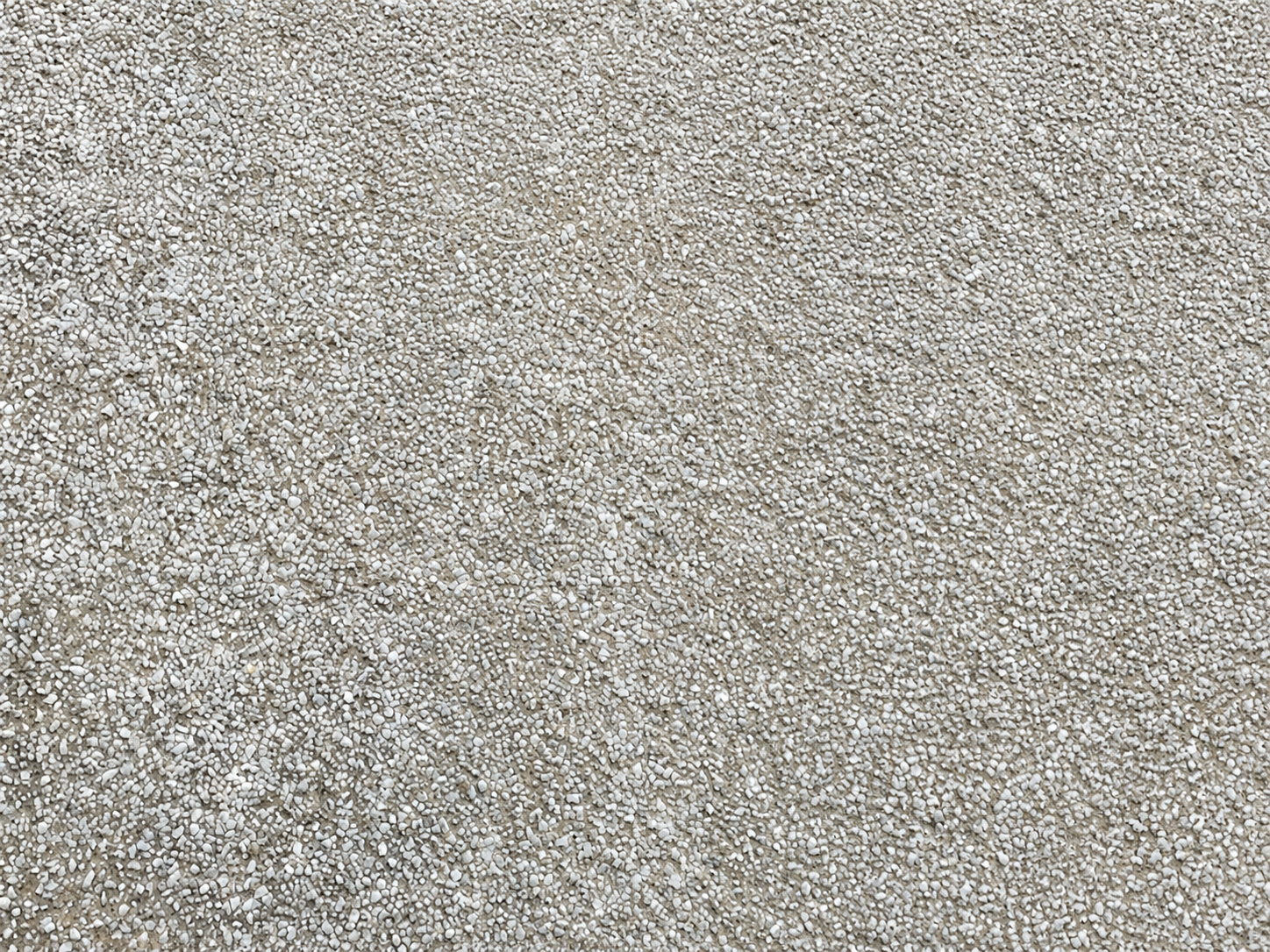
Render, pebble dash and K-rend all provide the rough texture Trentepohlia needs to establish itself, since the alga anchors more easily on a textured surface than on smooth, sealed masonry. Once a colony takes hold it spreads outward from damp patches, so growth often starts in one corner of a gable before covering a wider area.
Trentepohlia is airborne rather than soil-based, so spores travel on the wind and can settle on any suitable wall regardless of how close it is to planting or ground level. This is different from green algae or moss, which usually spread from a damp source at ground level upwards. It's also why red algae can appear on upper-storey render just as readily as at eye level.
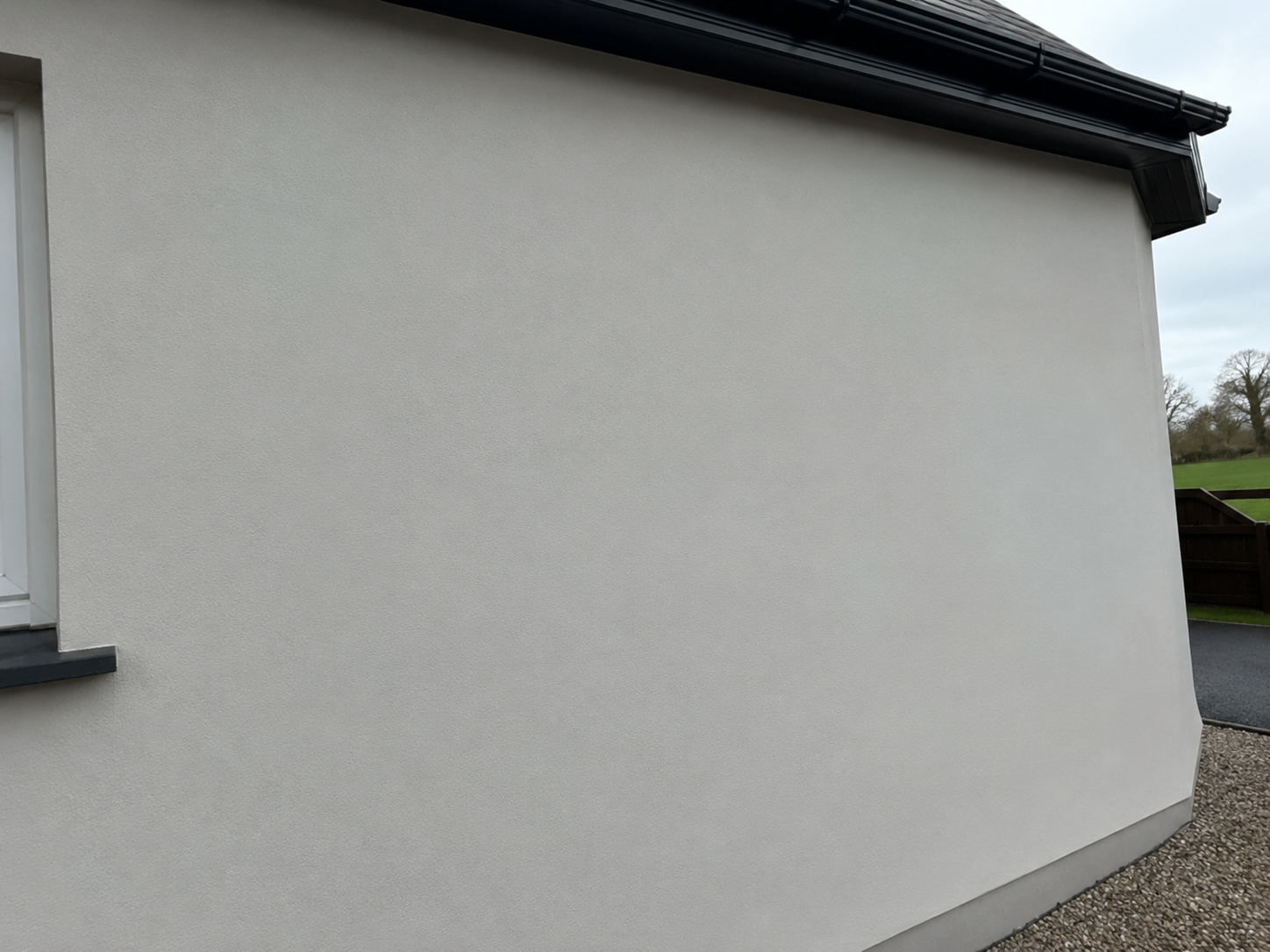
Why does red algae favour pebble dash and K-rend walls?
Red algae favours pebble dash and K-rend because both finishes are porous and textured, holding moisture at the surface for longer than smooth render or painted brick. That extra surface area and dampness gives airborne spores somewhere to settle rather than being washed away by rain.
Shaded, north-facing walls make the problem worse, since they receive little direct sun to dry the surface between wet spells. Walls near hedging, trees or narrow side passages stay damp for the same reason, which is why red algae often shows up on one side of a house well before the others.
Why does pressure washing make red algae worse?
Pressure washing makes red algae worse because the force of the water breaks colonies apart and drives fragments and spores into the pores of the render rather than removing them. Those fragments regrow once conditions are damp again, often faster than before.
High pressure can also strip the surface of pebble dash or force water behind K-rend, loosening the finish over time. A power wash may look effective on the day, but the algae typically returns within weeks because the biological cause hasn't been treated.
There's also a visual side effect to consider: uneven pressure-washing often leaves patchy, blotchy render where some areas are stripped back further than others. That patchiness can be more noticeable than the original red algae staining, and it doesn't resolve on its own once the wall dries out.
How is red algae removed with a softwash?
A softwash removes red algae by applying a biocide treatment at low pressure, which kills the organism at the surface rather than blasting it off. The treatment is left to work into the render before a gentle rinse clears the residue, so spores are neutralised rather than scattered.
- Assess the wall to identify the extent of the red algae and the render type.
- Protect surrounding plants, paths and windows before any product is applied.
- Apply the biocide treatment at low pressure across the affected render.
- Allow the treatment to dwell on the surface so it can work into the growth.
- Rinse gently to clear residue without disturbing the render finish.
When to call a professional
A professional softwash is worth calling in once red algae covers more than a small patch, or once it has returned after a DIY attempt. Trentepohlia sits within the surface texture of render, so a targeted biocide treatment reaches growth that a hose or scrubbing brush can't fully remove.
It's also worth calling a professional before reaching for a pressure washer on pebble dash or K-rend, since both finishes are more easily damaged by force than smooth render or brick. A low-pressure approach protects the finish while still clearing the growth from the whole affected area.
Booking softwashing in County Wexford treats gables and render walls without the pressure that spreads algae to unaffected surfaces. Homes in Wexford Town and further afield can pair this with a full render cleaning visit covering every affected elevation in one call-out.
Frequently asked questions
Does red algae always come back after a softwash treatment?
Regrowth is less likely after a softwash because the biocide treats the algae at the surface rather than removing colour alone. Shaded, damp elevations remain more exposed to airborne spores than sunny ones, so those walls can sometimes need attention again sooner than the rest of the house.
Can red algae damage render or brickwork?
Red algae itself doesn't eat away at render or brick, but it holds moisture against the surface for longer than bare masonry. Over time that extra dampness can contribute to render staining and slower drying after rain, particularly on porous or textured finishes such as pebble dash.
Is red algae on walls harmful to health?
Trentepohlia isn't generally considered a health hazard on an exterior wall. It's usually treated for appearance and to reduce the damp conditions it thrives in, rather than as a safety concern, though anyone with a known mould or algae sensitivity may prefer it removed promptly.
Why does red algae often appear on north-facing walls first?
North-facing walls receive the least direct sunlight, so they take longer to dry out after rain than south-facing elevations. That prolonged dampness gives airborne Trentepohlia spores more time to settle and establish, which is why red algae frequently shows up there before spreading elsewhere on the house.